


Political activities in Ogun State are gathering pace ahead of the 2027 general elections, with more than 15 aspirants already positioning to succeed Governor Dapo Abiodun at the end of his second term.
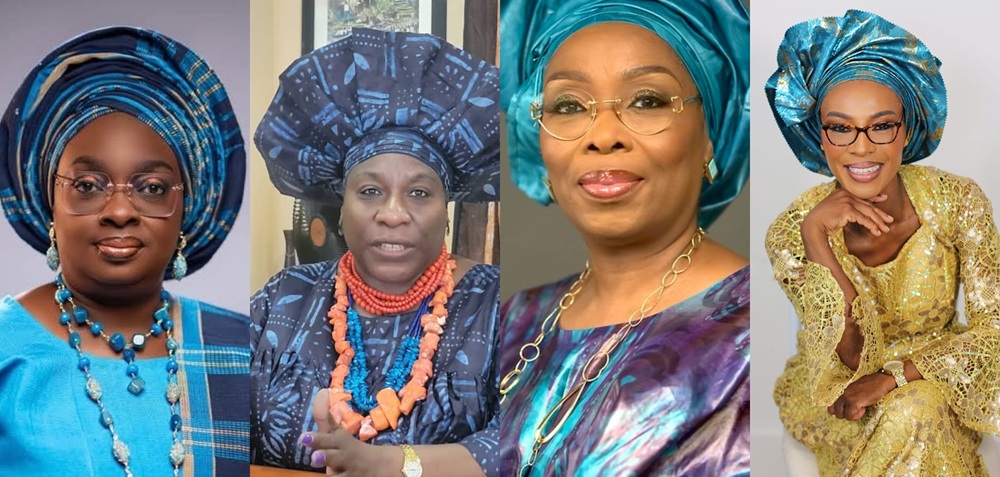
Amid the growing contest, four female politicians have stepped forward, raising fresh hopes of producing the state’s first elected female governor since its creation in 1976.
Leading the pack is the current Deputy Governor, Noimot Salako-Oyedele, who, though yet to formally declare, is widely seen as a formidable contender.
A civil engineer from Ogun West, her ambition is gaining traction through endorsements and campaign materials already in circulation.
Her candidacy is further strengthened by ongoing agitation for power to shift to Ogun West, although she may have to contend with the longstanding challenge often faced by deputy governors seeking to succeed their principals.
Also in the race is Iyabo Obasanjo-Bello, daughter of former President Olusegun Obasanjo. Having recently returned to active politics after years abroad, she defected to the All Progressives Congress (APC) and declared her ambition.
While her supporters highlight her experience as a former commissioner and senator, critics question her grassroots appeal. Nonetheless, she has promised inclusive governance and increased opportunities for women.
Veteran broadcaster Modele Sarafa-Yusuf has also formally declared her candidacy. A former aide to Governor Abiodun, she is campaigning on continuity, stability, and inclusive leadership, positioning herself as a bridge-builder in the state’s political landscape.
From the diaspora, US-based physician Bolaji Marie Odusina has joined the race, transitioning from years of humanitarian work into politics. Known for her rural medical outreach programmes, she is advocating healthcare reform, maternal welfare, and grassroots empowerment, though she faces the challenge of building a strong political base.
Despite Ogun’s history of producing influential female leaders, including deputy governors, the governorship seat has remained male-dominated—fueling debate on whether 2027 could mark a turning point.
Political observers note that the entry of these women introduces a new dynamic into the race, potentially reshaping the state’s political future as the countdown to 2027 continues.