


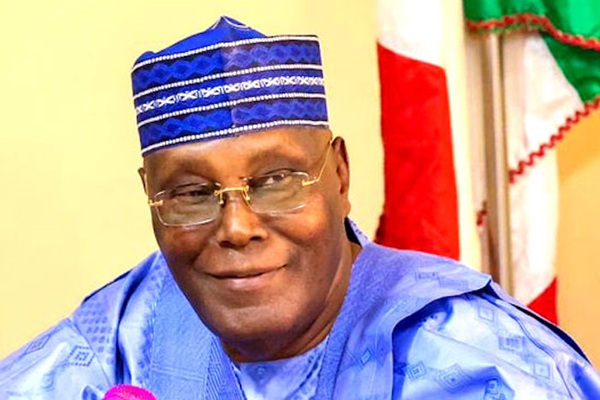
Since the 1993 Social Democratic Party (SDP) convention in Jos, Plateau State—where MKO Abiola emerged as presidential candidate—Alhaji Atiku Abubakar has remained a consistent and calculating figure in Nigeria’s political landscape. Over the years, his approach to elections has largely centered on the strategic deployment of financial resources, particularly during party conventions.
However, the political terrain ahead of the 2027 general election appears markedly different. Unlike the 2015 elections, when the All Progressives Congress (APC) enjoyed the backing of numerous sitting governors and a formidable financial base, Atiku now faces the prospect of contesting without the structural advantage of gubernatorial support.
This situation has reportedly heightened concerns within his camp, as funding remains a critical pillar of his political machinery. Observers note that Atiku may increasingly rely on external sponsors to sustain his ambition, raising questions about the viability of his campaign strategy.
His past alliances also reflect a pattern shaped by financial considerations. In 2019, Atiku selected Peter Obi as his running mate, but sources suggest dissatisfaction over campaign contributions influenced his decision not to retain Obi in 2023. Instead, former Delta State Governor Ifeanyi Okowa was said to have played a significant role in supporting campaign logistics during that election cycle.
As preparations for 2027 gather momentum, Atiku is now associated with figures within the African Democratic Congress (ADC), many of whom are perceived to lack strong financial capacity. Reports indicate that even routine campaign activities—such as travel logistics, media engagement, and digital mobilization—pose challenges for members of the group.
Other prominent political figures linked to the broader opposition landscape present varying degrees of financial and structural strength. Rabiu Kwankwaso’s influence in Kano appears to have waned, while Peter Obi is often described as fiscally conservative. Former Osun State Governor Rauf Aregbesola is seen as focusing resources on ideological and grassroots engagements rather than large-scale political financing.
Among the notable figures, Oyo State Governor Seyi Makinde is widely regarded as possessing relatively stable financial and political capital. This has fueled speculation that he could emerge as a strategic running mate for Atiku in 2027.
However, analysts warn that such a decision could trigger internal rivalries within the coalition, particularly if perceived as favoring financial leverage over broader political consensus. Should Atiku secure a party ticket and select Makinde as his running mate, tensions among key stakeholders could test the unity of the opposition bloc.
As the 2027 election cycle approaches, the interplay between funding, alliances, and internal cohesion is likely to shape the trajectory of Atiku Abubakar’s political ambitions—and the broader contest for Nigeria’s presidency.