

Operators in Nigeria’s manufacturing sector spent a staggering ₦676.6 billion on alternative energy sources in the first half of 2025, the Manufacturers Association of Nigeria (MAN) has disclosed, blaming the huge expenditure on the country’s erratic power supply.
The figure was revealed on Wednesday by MAN President, Otunba Francis Meshioye, at the 10th edition of the association’s Media Personality Award and 2026 Presidential Media Luncheon held in Lagos.
Meshioye said the development highlights the fragile and challenging operating environment confronting manufacturers, driven by persistent infrastructure deficits, multiple taxation, stringent regulatory requirements, weak policy coordination, high energy costs and other long-standing structural bottlenecks.
“Manufacturers entered the year with cautious optimism and a renewed commitment to proactive advocacy, but prevailing macroeconomic pressures weighed heavily on business sentiment,” he said.
According to him, the Manufacturers CEOs’ Confidence Index fell to 53.2 per cent in the first quarter of 2025 from 56.0 per cent in the fourth quarter of 2024, further declining to 50.3 per cent in Q2 before a marginal recovery to 50.7 per cent in Q3—reflecting subdued confidence in the operating climate.
Meshioye noted that persistent double-digit inflation continued to erode consumers’ purchasing power and dampen demand for manufactured goods. Despite these challenges, he said the sector showed resilience, with capacity utilisation improving to 61.3 per cent from 57.6 per cent in the second half of 2024.
He added that recent policy interventions—including the suspension of the 4 per cent Free-On-Board (FOB) charge by the Nigeria Customs Service, the halt to a proposed levy by the Financial Reporting Council of Nigeria, and the reversal of some port charges—helped prevent additional burdens on manufacturers.
While expressing optimism about Nigeria’s economic outlook in 2026, the MAN president called for increased capital expenditure to support manufacturing growth.
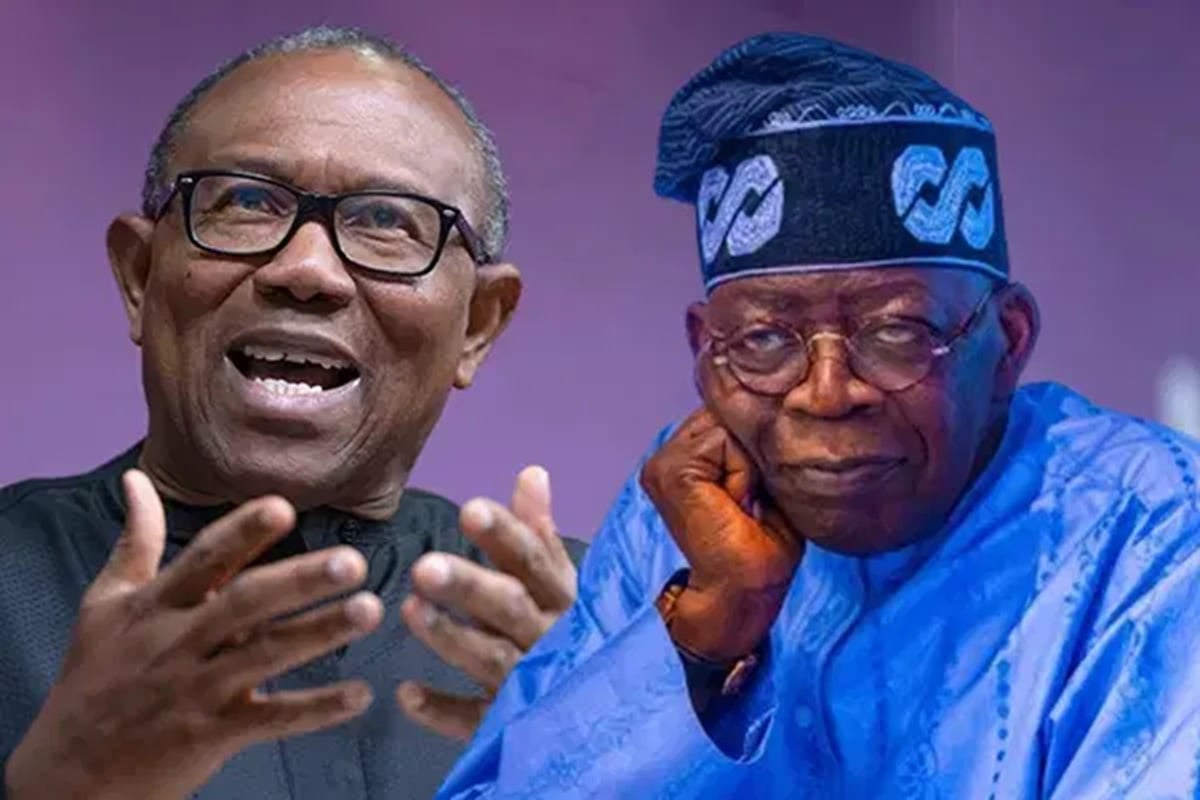
Meanwhile, the 2023 presidential candidate of the Labour Party, Mr Peter Obi, accused President Bola Ahmed Tinubu of failing to fulfil his campaign promise on electricity stability.
In a post on his X handle, Obi recalled Tinubu’s 2022 pledge that Nigerians should not vote for him for a second term if he failed to provide stable electricity within four years. He lamented that the national grid had reportedly collapsed twice already in January 2026, after about 12 collapses in the previous year.
Obi also criticised the President’s foreign travels, urging him to remain in the country to address pressing governance challenges, particularly in the power sector.
Comparing Nigeria with Turkey, Obi noted that while Turkey generates over 120,000 megawatts of electricity for a population of about 87 million, Nigeria struggles with less than five per cent of that capacity.
He called on Nigerians to prioritise accountability and good governance over election politics, insisting that sustainable development and improved living conditions remain achievable.