


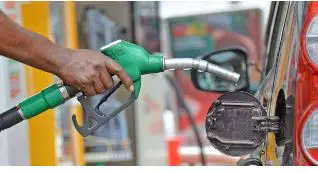
Nigerians are grappling with another sharp rise in petrol prices as oil marketers raised pump prices far above the rate of increase recorded in global crude oil prices.
On Tuesday, petrol stations nationwide increased pump prices from an average of N750 per litre to about N850 per litre, citing higher international crude oil prices. However, while crude oil prices rose by just 6.2 per cent, local petrol prices jumped by 14.3 per cent, more than double the increase in the key input cost.
Crude oil prices rose from an average of $64 per barrel to $68 per barrel on Monday, triggering a corresponding adjustment in domestic ex-depot prices. At the Dangote Refinery, the gantry price of petrol rose by N100, from N699 per litre to N799 per litre, representing a 14.3 per cent increase.
Following the adjustment, petrol retailers in Abuja, Lagos and other parts of the country implemented higher pump prices, deepening concerns over the widening gap between global crude movements and domestic fuel costs.
At NNPC Retail outlets, petrol prices increased to N835 per litre from N815, while independent marketers imposed steeper hikes. AYM Sharfa, for instance, raised its pump price from N815 to N900 per litre, one of the highest rates recorded so far.
Reacting to the development, the National Public Relations Officer of the Independent Marketers Association of Nigeria (IPMAN), Chief Chinedu Ukadike, defended the increase, blaming it on rising crude oil prices and higher refinery costs.
“Crude oil price has increased. The refiners have also increased their price. Once your buying source increases, you will increase,” Ukadike said. “Dangote has increased by over N110.”
Addressing concerns that marketers raised prices despite holding old stock, Ukadike explained that fuel pricing reflects replacement costs rather than existing inventory.
“When did the crude oil price go up? It is not the first day that it went up,” he said. “That is the nature of the business. Even if we sell our old stock, we can’t buy a new one at the old price. The buying rate and margin are high.”
He added that marketers were adjusting prices to remain operational amid rising costs.
“The marketers have to find a way to continue to be in business,” Ukadike said.
The latest increase has intensified public criticism over fuel pricing under Nigeria’s deregulated downstream sector, with consumers questioning why local petrol prices rise faster than global crude oil benchmarks.