


Global oil prices have fallen to their lowest level since before the recent Iran-related conflict, driven by easing geopolitical tensions and a gradual recovery in shipping through the Strait of Hormuz.
Brent crude, the international benchmark, briefly dipped below $72.48 per barrel before stabilising around $72.63, marking a significant decline after weeks of volatility triggered by military tensions involving the United States, Israel, and Iran.
The downturn reflects improving market sentiment as commercial vessels increasingly resume passage through the Strait of Hormuz—one of the world’s most critical energy corridors responsible for a large share of global crude oil and liquefied natural gas (LNG) shipments.
Oil markets had previously surged during the conflict due to fears of disrupted supply chains and restricted maritime movement. However, sentiment has shifted following renewed diplomatic engagement between Washington and Tehran aimed at de-escalation.
A key turning point came after both countries signed a Memorandum of Understanding (MoU) on June 17, establishing a 60-day framework for negotiations on Iran’s nuclear programme and broader regional stability measures. Subsequent discussions in Switzerland reportedly included partial easing of U.S. sanctions on Iranian oil exports, further calming global markets.
Maritime tracking data shows increased vessel movement through the Strait of Hormuz since the agreement, with tankers carrying crude oil, LNG, fertiliser, and other cargoes gradually restoring trade flows. Industry sources estimate that nearly 80 vessels have successfully passed through the waterway since talks began, although this remains below pre-conflict levels of over 100 daily crossings.
Despite the recovery, hundreds of ships are still waiting in the Gulf as operators cautiously resume normal routing. Authorities in Iran have reportedly allowed limited passage through designated northern channels, while the United States Navy continues to guide vessels along safer southern routes.
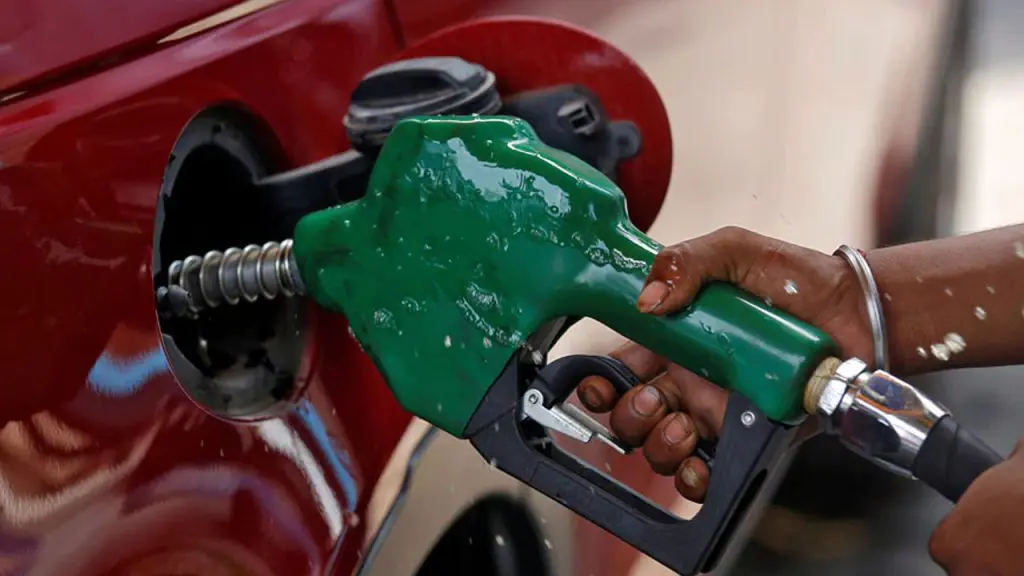
The decline in crude prices has renewed expectations of eventual relief at the fuel pump. Analysts say retail fuel prices typically lag behind global oil movements due to refining costs, logistics, and taxation, but sustained declines could eventually ease petrol and diesel costs worldwide.
In the United States, gasoline prices have already eased to about $3.93 per gallon, down from over $4.00 during the height of the crisis, though still above pre-conflict levels.
Meanwhile, U.S. President Donald Trump has ordered investigations into major oil companies, including Shell and ExxonMobil, accusing them of not fully reflecting falling crude prices in retail fuel costs. Industry groups have defended the pricing structure, citing refining, transport, and tax-related factors.
Similar debates have emerged in the United Kingdom, where regulators previously found no widespread evidence of excessive profiteering during recent energy disruptions.
For oil-importing nations such as Nigeria, the price decline presents a mixed outlook—offering potential relief from inflation through cheaper fuel imports while also raising concerns over reduced government revenue in an oil-dependent economy.
Market watchers say attention now turns to the durability of the Iran–U.S. negotiations and the pace of shipping normalization through the Strait of Hormuz, both of which will be critical in shaping global oil price trends in the coming weeks.