


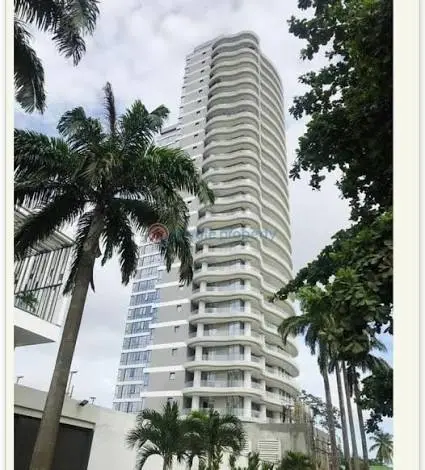
Lagos has emerged as the fourth most expensive city globally for high-end two-bedroom apartment rentals in 2026, with an average annual rent of $19,379, according to a recent Nairametrics report.
The ranking underscores the intense pressure on the city’s residential property market, driven by limited land availability, strong demand in prime locations, rising construction costs, property speculation and the continued devaluation of the naira.
Premium Neighbourhoods Lead the Surge
Rental prices in Lagos’ most sought-after areas remain particularly steep. Luxury properties in Ikoyi, Victoria Island and Banana Island are frequently quoted in US dollars. In ultra-premium corridors such as Bourdillon, Alexandra and Gerrard in Ikoyi, annual rents can climb as high as $130,000.
Hidden Costs Push Total Outlay Higher
Beyond the headline rent, securing accommodation in Lagos often involves substantial additional expenses. Tenants commonly pay one year or more of rent in advance. Agency fees typically range from one to two months’ rent or about 10 per cent of the annual figure, while legal and agreement fees can add another 5 to 10 per cent.
Caution deposits, stamp duty, utility deposits, internet installation and service charges further inflate the true cost of moving in, making the overall financial commitment significantly higher than the advertised rent alone.
Construction Costs Fuel the Pressure
The report links the market strain to sharply rising development expenses. Land prices have more than doubled in several parts of the city in recent years. Construction materials have also surged: a bag of cement that sold for between ₦5,000 and ₦6,000 at the end of 2023 now costs ₦12,500 to ₦15,000, while reinforcement steel has risen to between ₦1 million and ₦1.5 million per tonne.
Materials and labour account for roughly 50 to 65 per cent of the construction budget for medium-sized residential projects, with land representing about 20 per cent of expected revenue on some developments.
In response, some developers have reduced unit sizes, shifted to areas with cheaper land, adopted alternative building materials or phased their projects. Industry experts note, however, that much of the increased cost is ultimately passed on to buyers and tenants.
A Deepening Housing Deficit
The challenges sit against a backdrop of severe housing shortage. Lagos faced an estimated deficit of 3.4 million units in 2025. The state requires approximately 227,576 new homes every year simply to keep pace with population growth and replace ageing stock.
As demand continues to outstrip supply in prime locations and input costs remain elevated, the upward pressure on high-end rents shows little sign of easing in the near term.