


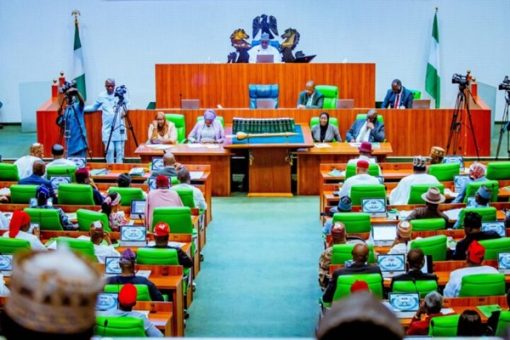
The House of Representatives has reaffirmed its commitment to strengthening Nigeria’s anti-financial crime institutions as part of efforts to improve the country’s global image and protect the economy.
Chairman of the House Committee on Financial Crime, Ginger Onwusibe, gave the assurance on Monday during the 2026 budget defence session with the Economic and Financial Crimes Commission (EFCC) and the Nigeria Financial Intelligence Unit (NFIU).
Onwusibe said the 2026 budget places priority on infrastructure development and food security, with broader goals of achieving macroeconomic stability, improving the business environment, creating jobs and strengthening human capital. He noted that the success of these objectives depends largely on timely budget implementation, increased oil production and growth in non-oil revenues.
Acknowledging the economic pressures faced by Nigerians, the lawmaker called for practical and people-focused solutions to stimulate growth, expand employment opportunities and improve living standards. He added that the economy is showing signs of cautious recovery, citing the International Monetary Fund’s projection of 4.4 per cent growth in 2026, driven by macroeconomic stability, structural reforms and rising domestic demand.
Onwusibe stressed that collaboration with anti-financial crime agencies is critical to achieving sustainable growth, describing corruption and financial crimes as major drains on the economy.
“The EFCC and NFIU play vital roles in combating financial crimes. Your work in recovering stolen assets, deterring corruption and strengthening financial stability is crucial to Nigeria’s development,” he said.
He disclosed that the House is currently considering four key bills aimed at strengthening transparency, safeguarding public resources and aligning Nigeria with global best practices. The proposed legislations include a Bill to establish the EFCC, amendments to the Money Laundering (Prevention and Prohibition) Act, the EFCC Act (2004), and the Proceeds of Crime Act. According to him, the reforms are designed to modernise existing laws, close operational gaps and ensure that crime does not pay, regardless of its sophistication.
Commending the EFCC and NFIU, Onwusibe said Nigeria’s recent delisting from the Financial Action Task Force (FATF) grey list reflects renewed commitment to strengthening the anti-money laundering and combating financing of terrorism (AML/CFT) framework. He noted that the development is expected to boost Nigeria’s international credibility, attract foreign investment, improve access to global financing and enhance financial stability.
Providing figures on the EFCC’s performance, Onwusibe said that as of October 2025, the agency had recovered over ₦566 billion, $411 million and 1,502 properties, while securing 3,175 convictions. He also acknowledged the NFIU’s growing impact in strengthening financial intelligence.
He praised the leadership of EFCC Chairman, Ola Olukoyede, and NFIU Director, Hajia Hafsat Abubakar Bakari, describing their stewardship as instrumental to the agencies’ recent gains.
While pledging legislative backing, the committee chairman stressed that the agencies must operate with professionalism, transparency and accountability. He said the budget defence would focus on strengthening investigative and prosecutorial capacity, enhancing international cooperation, improving asset recovery and management, building technical expertise, and tackling emerging threats such as cybercrime and virtual assets.
“The work of these agencies is critical to Nigeria’s economic stability and security. We are committed to supporting them with the resources they need, while ensuring the highest standards of accountability,” Onwusibe added.