


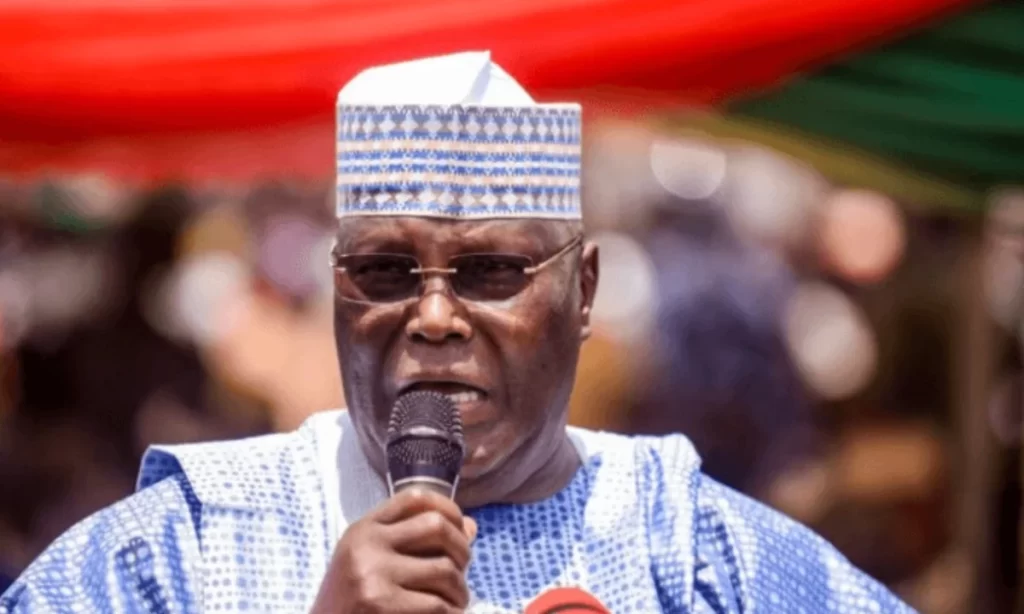
The presidential candidate of the African Democratic Congress (ADC), Atiku Abubakar, on Monday described President Bola Tinubu’s economic reforms as “wicked,” accusing them of destroying jobs, emptying citizens’ pockets, and forcing businesses out of Nigeria.
Atiku’s comments came in reaction to the departure of global ride-hailing giant Uber, which officially ended its 12-year operations in Nigeria on September 2, 2026. The company cited a review of its evolving business priorities and investment focus across Africa as the reason for the exit.
However, Atiku rejected that explanation. Through his spokesman, Phrank Shaibu, he argued that Uber left because ordinary Nigerians could no longer afford its fares while drivers could no longer earn enough to support their families.
In a statement posted on X, Shaibu addressed President Tinubu directly:
“Dear @officialABAT, Uber did not leave because Nigerians stopped needing rides. It left because, under your economy, passengers could no longer afford the fares and drivers could no longer earn enough to feed their families.
“Fuel went up. Spare parts, car loans and repairs went up. The naira fell. Then came more taxes and licence fees from your Taiwo Oyedele.
“He brought a stealth tax on movement. Before passengers reach their destinations, your government has already emptied their pockets.
“Passengers pay more, drivers earn less and the platforms struggle to survive.
“Uber could not increase fares because Nigerians were already struggling. It could not keep fares low because drivers were losing money.
“After 12 years, it packed its bags, leaving behind lost jobs, lost incomes and more worried families.
“Mr. Bola, stop calling this reform. Any policy that empties pockets, kills jobs and drives businesses out of Nigeria is organised hardship and wickedness raised to an ontological level.
“You @officialABAT made life expensive. Atiku will make Nigeria affordable again.”
The former Vice President’s intervention adds to the ongoing political debate over the impact of the current administration’s economic policies, particularly the removal of fuel subsidy, naira flotation, and new tax measures.