


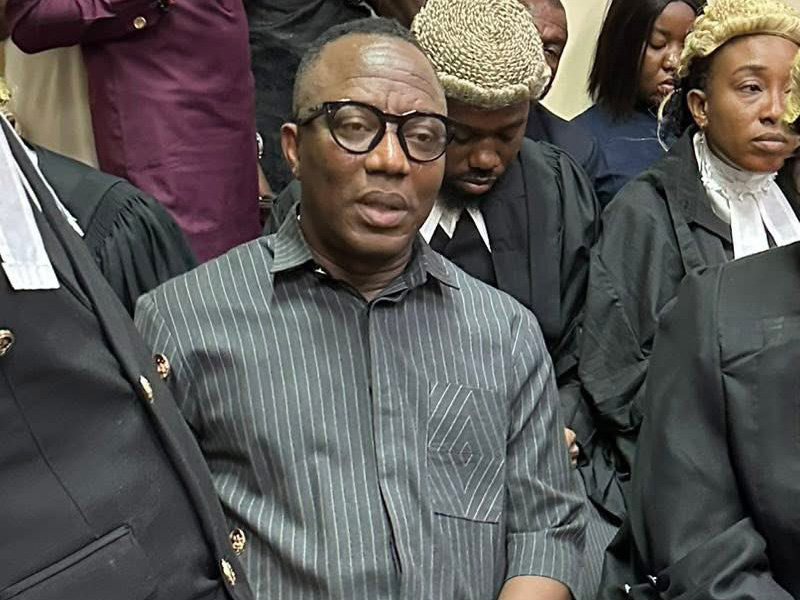
Concerns over civil liberties in Nigeria have intensified following the remand of activist and publisher Omoyele Soworeat the Kuje Correctional Centre, with prominent political and human rights voices warning that the development reflects a deepening strain on democratic freedoms.
The Federal High Court in Abuja ordered Sowore’s remand pending the hearing of his application challenging the revocation of his bail. The court also dismissed his request seeking the judge’s recusal over alleged bias, paving the way for his detention at Kuje Prison.
The decision has drawn sharp reactions from key figures, including former presidential candidate Peter Obi, who warned that the treatment of activists, journalists, and government critics is becoming a critical test of Nigeria’s democratic credentials. Obi cautioned that shrinking civic space amid economic hardship and insecurity could further erode public trust in state institutions.
He stressed that democracies thrive where dissenting voices are protected, insisting that constitutional guarantees of free expression and peaceful assembly must remain sacrosanct. According to him, any perception of state institutions being used to suppress criticism risks damaging Nigeria’s democratic image.
Human rights organisation Socio-Economic Rights and Accountability Project (SERAP) also called for Sowore’s immediate and unconditional release, demanding that all charges of criminal defamation and cybercrimes against him be withdrawn. In a statement signed by its Deputy Director, Kolawole Oluwadare, SERAP described the detention as part of an escalating crackdown on freedom of expression, peaceful assembly, association, and media freedom.
SERAP further urged President Bola Tinubu to direct security agencies, including the Department of State Services (DSS), to respect the rights of journalists, bloggers, activists, and human rights defenders, stressing that authorities should protect rather than suppress civil liberties.
Rights lawyer and special counsel to the Indigenous People of Biafra (IPOB), Aloy Ejimakor, accused the government of double standards. He argued that while Sowore has repeatedly faced detention for exercising free speech and peaceful protest, authorities have allegedly engaged in negotiations with armed groups in other parts of the country.
Ejimakor criticised what he described as inconsistency in the government’s approach to security and dissent, contrasting Sowore’s repeated arrests with ongoing negotiations and concessions to armed insurgents.
Similarly, the Aare Ona Kakanfo of Yorubaland, Iba Gani Adams, condemned the remand order, describing it as a troubling precedent for freedom of expression and fair trial rights. In a statement issued through his spokesperson, Olawunmi Ojo, he warned that the decision could send a dangerous message to Nigerians who speak out against authority.
He urged both the judiciary and government to ensure that constitutional rights are protected and that legal processes are not used to silence dissenting voices.
The growing criticism underscores renewed debate over the balance between state authority, judicial processes, and the protection of fundamental human rights in Nigeria.