
Women have long been the backbone of political campaigns in Nigeria, yet their presence in elected offices remains minimal. From braving scorching sun and heavy rain during door-to-door mobilizations to entertaining crowds with lively campaign songs, women often outnumber men at rallies and election events—but their influence rarely extends beyond election day.
In the 10th National Assembly, women remain severely under-represented, holding just 20 federal legislative seats. Only four of 109 Senate seats and 16 of 360 House of Representatives seats are held by women, representing a mere 4.2 per cent. In Lagos State, home to both the president and first lady, only one of 24 House members is female: Chief Kafilat Ogbara.
President Bola Ahmed Tinubu has posed a question that resonates across the nation: “Where are the women?” The answer, according to party leaders, is clear: “Qualified and competent women exist—they just need support, encouragement, and opportunities to thrive in Nigeria’s male-dominated political arena.”
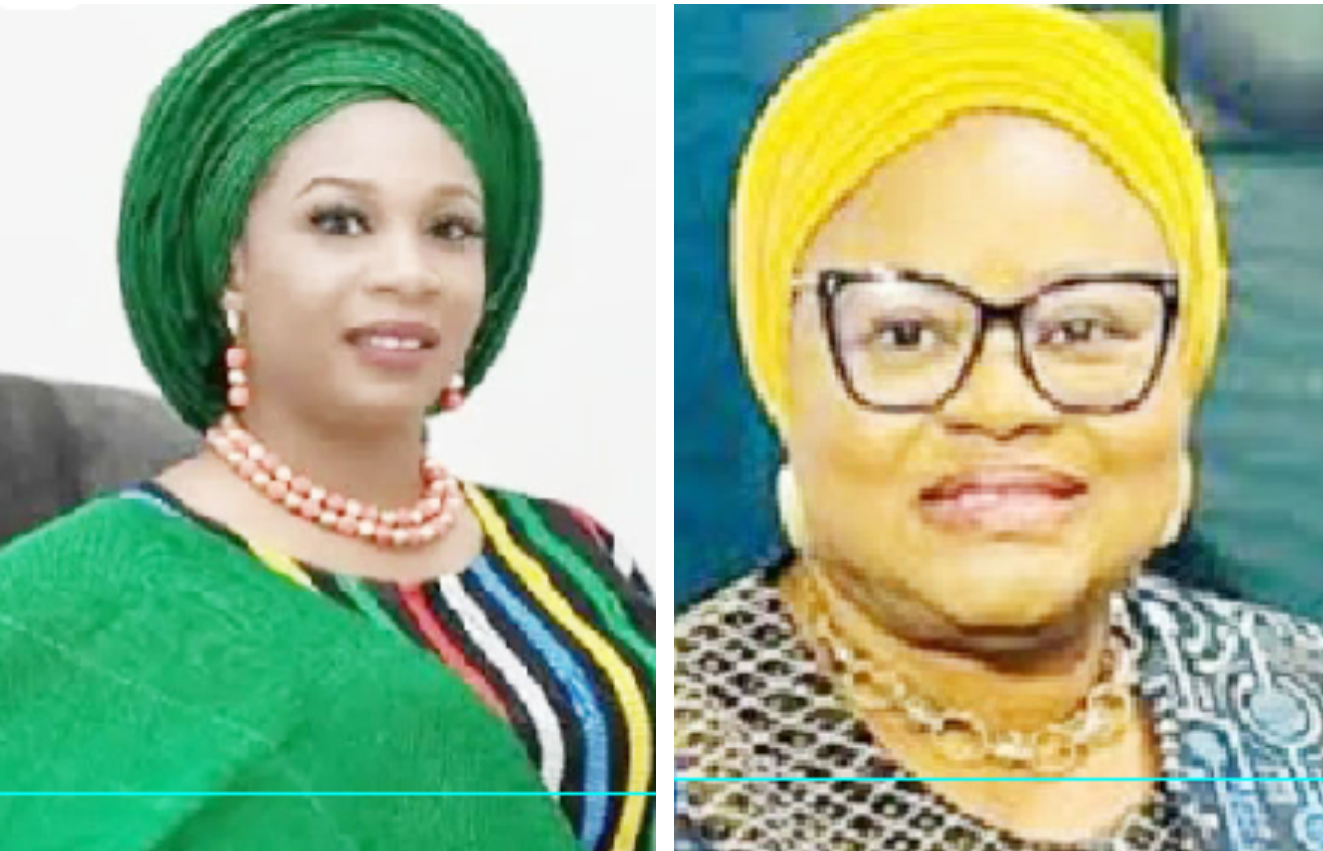
Ahead of the 2027 elections, Lagos is seeing strong female contenders. Mrs. Olayinka Oladunjoye, a lawyer and former Education Commissioner, is vying for the Epe Constituency seat, while pharmacist and ex-Commissioner for Wealth Creation, Mrs. Uzamat Akinbile-Yusuf, aims for the Alimoso federal seat.
Leading the advocacy for women’s inclusion is First Lady Senator Oluremi Tinubu. At the National Women Mega Empowerment and Rally 2026 in Abuja, themed “Power of 10 Million,” she received the Women’s Charter for National Development on behalf of Nigerian women. The charter emphasizes greater political inclusion, economic empowerment, strengthened family systems, and deeper governance participation.
The All Progressives Congress (APC) is also spearheading a Special Seats Bill to amend the constitution and reserve additional legislative seats for women at both federal and state levels. The proposal would create 37 Senate seats, 74 House of Representatives seats, and additional state-level positions, aiming to bridge the staggering 145.95 per cent gender representation gap.
APC National Women Leader Dr. Mary Idele Alile described the bill as a “moral necessity” to ensure women move from symbolic representation to genuine participation in governance. Former lawmaker Abike Dabiri-Erewa echoed this, emphasizing that women are nation-builders at every level—from home to community, state, and country.
In Lagos, APC Women Leader Iyabosola Eletu reaffirmed the determination to secure more seats for women, noting, “Women are mobilizers, mothers, and committed party workers. We have the skills and dedication to serve better in public office.”
The drive for women’s political representation is gaining momentum, with party leaders, lawmakers, and activists united in their demand for equity. As the 2027 elections approach, women are poised to translate their numbers at rallies into seats at the legislature.