
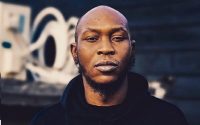
Grammy-nominated Afrobeat musician Seun Kuti has alleged that he has been effectively blacklisted within Nigeria’s music industry for approximately 13 years because of his outspoken, protest-oriented style.
Speaking on the Selah Meditate podcast, Kuti—son of Afrobeat pioneer Fela Anikulapo-Kuti—accused successive Nigerian governments of shaping the music industry in favour of artists who avoid political or social criticism, while sidelining those who address issues of governance and inequality.
According to him, the global impact of Fela Kuti and other socially conscious musicians once unsettled authorities, prompting what he described as a deliberate shift in support toward non-political entertainers.
“The impact of Fela and his contemporaries who spoke truth to power scared the government. They made the government realise the power of artistry,” he said. “So, the government invested more in artists who don’t make conscious music than artists who sing about realities.”
Kuti further claimed that restrictions on his career intensified after a performance at an event hosted by former Lagos State Governor Akinwunmi Ambode, though he insisted that limitations on his music began even earlier.
He maintained that he remains unapologetically vocal in Nigeria despite calls for his cancellation, adding that the alleged blacklisting has had limited impact on his global career.
“When I am in Nigeria, I don’t fear to say whatever I want to say. That is why a lot of people are saying that I should be cancelled. I have been cancelled for about 13 years now,” he said. “Nigeria has cancelled me long time, but Nigeria is just a really small percentage of my market.”
Kuti also argued that many contemporary artists avoid politically charged themes due to fear of similar backlash, particularly those whose audiences are largely domestic.