
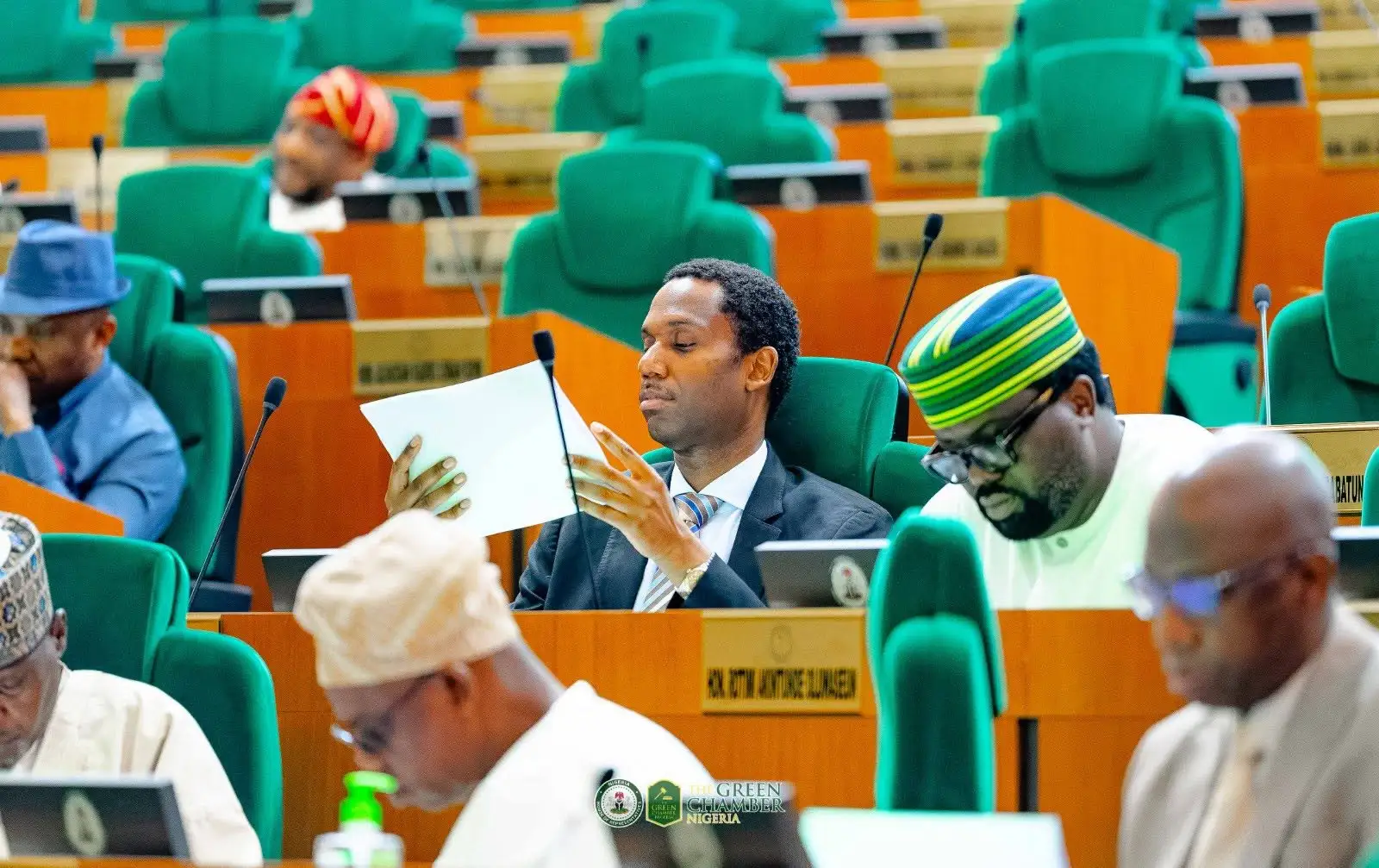
The House of Representatives has released the final print of the Constitution Alteration Bills ahead of Thursday’s crucial plenary session, where lawmakers are expected to vote on a series of far-reaching constitutional reforms, including the highly debated proposal for the establishment of state police.
The release marks a significant milestone in the ongoing review of the 1999 Constitution (as amended), a process that has involved months of consultations, public engagements and legislative scrutiny across the country.
The development was announced on Wednesday night by the House Spokesperson, Akin Rotimi, who said the proposed amendments emerged from extensive work undertaken by the House Committee on Constitution Review.
According to him, the committee considered submissions from lawmakers, government institutions, professional bodies, civil society organisations, traditional rulers and private citizens before compiling the final draft.
Rotimi noted that the review process included public hearings, stakeholder consultations, expert sessions and town hall meetings held across Nigeria’s six geopolitical zones to ensure broad-based participation.
“The review process involved extensive stakeholder engagement through zonal and national public hearings, consultative meetings, expert sessions, and town hall engagements held across the six geopolitical zones, ensuring broad-based citizen participation and input,” he stated.
Wide-Ranging Reforms
The proposed constitutional amendments cover critical areas of governance and national development, including electoral and judicial reforms, security and policing, local government administration, citizenship and inclusion, legislative reforms, devolution of powers, fiscal reforms, human rights, institutional strengthening, traditional institutions, and the creation of states and local governments.
Among the proposals, the bill seeking to establish a constitutional framework for state police has generated the most public interest and debate.
Supporters argue that decentralised policing would strengthen security responses and enable states to tackle local threats more effectively. Opponents, however, have expressed concerns over the possibility of political abuse by state governments.
The House said the proposal is designed to strengthen Nigeria’s security architecture by creating an additional policing structure that would operate alongside the Nigeria Police Force.
The bill also includes constitutional safeguards, oversight mechanisms, operational guidelines and a clear division of responsibilities between federal and state policing authorities to prevent abuse.
Lawmakers believe the amendment reflects growing national support for community-based security solutions to address terrorism, kidnapping, banditry and other security challenges across the federation.
Kalu Highlights Importance of State Police
Deputy Speaker of the House and Chairman of the Constitution Review Committee, Benjamin Kalu, described the release of the final draft as a major step towards delivering reforms that reflect the aspirations of Nigerians.
He said the proposals were shaped by extensive consultations, detailed reviews and bipartisan cooperation among lawmakers.
“The release of the final print of these Constitution Alteration Bills reflects the extensive consultations, careful scrutiny, and bipartisan collaboration that have characterised this reform process. These proposals embody the aspirations, concerns, and recommendations expressed by Nigerians from all walks of life,” Kalu said.
He emphasised that the state police amendment responds to longstanding demands for a more decentralised and effective policing framework capable of addressing emerging security threats nationwide.
“Of particular significance is the proposal on State Police, which responds to longstanding calls for a more effective and decentralised policing framework capable of addressing emerging security challenges across the federation,” he added.
High-Stakes Legislative Session
Thursday’s plenary is expected to be one of the most consequential sessions in the ongoing constitutional amendment exercise.
For any amendment bill to advance, it must secure the support of at least two-thirds of members of the House of Representatives. Successful proposals will then proceed to the Senate for concurrence before being transmitted to state Houses of Assembly.
The House also clarified that voting would only take place if the constitutionally required quorum is met. Otherwise, consideration of the bills will be deferred to the next legislative day in line with constitutional provisions and House Standing Orders.
Next Steps
If approved by the House and Senate, each constitutional amendment must receive endorsement from no fewer than 24 of Nigeria’s 36 state Houses of Assembly before being forwarded to the President for assent.
The House reiterated its commitment to a transparent, inclusive and participatory constitution review process that reflects the interests and aspirations of Nigerians.
With the state police proposal drawing nationwide attention, Thursday’s vote is expected to signal lawmakers’ willingness to embrace one of the most significant security reforms proposed since Nigeria’s return to democratic governance in 1999.