
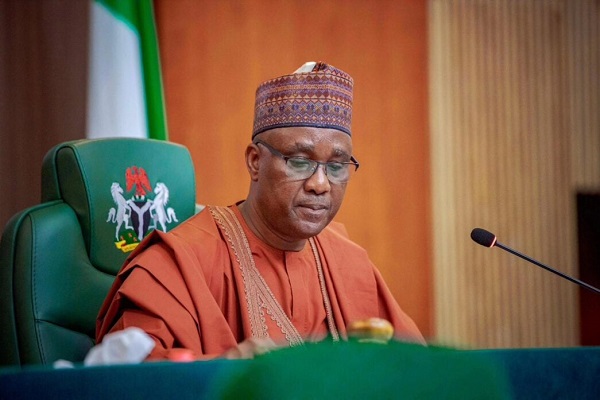
The Speaker of the House of Representatives, Abbas Tajudeen, has raised concerns over the high cost of energy supply in Nigeria, warning that the situation is worsening the cost of living and crippling small and medium-scale businesses across the country.
Speaking at an investigative hearing organised by the House Committee on Renewable Energy, Abbas said persistent electricity challenges have had far-reaching economic and social consequences, necessitating decisive legislative action by the National Assembly.
According to him, the heavy reliance on generators by businesses from large manufacturing firms to small enterprises has significantly inflated operating costs and, by extension, the prices of goods and services nationwide.
He explained that these concerns prompted lawmakers to amend the former Electricity Act of 2005, culminating in the enactment of the Electricity Act 2023, which integrates renewable energy as a core component of Nigeria’s power framework.
“One important objective of the Electricity Act, 2023 is to provide a holistic integrated policy plan that recognises all sources for the generation, transmission and distribution of electricity, including the integration of renewable energy into Nigeria’s energy mix,” Abbas said.
He noted that diversifying the country’s energy sources would reduce pressure on households and businesses while aligning Nigeria with the global shift toward cleaner and more sustainable energy systems, especially amid growing concerns over climate change and carbon emissions.
To strengthen oversight, the House established a dedicated Committee on Renewable Energy to monitor implementation of the Act and ensure compliance with its renewable energy provisions.
Abbas further disclosed that on October 22, 2025, the House mandated the committee to investigate the domiciliation of green and renewable energy projects across Ministries, Departments and Agencies (MDAs).
The probe is aimed at assessing due process compliance, identifying mismanaged or underperforming projects, and recommending sanctions where necessary.
The committee is also investigating foreign grants and investments received in the renewable energy sector from 2015 to date, as well as the utilisation of renewable energy in MDAs.
Chairman of the Committee, Afam Victor Ogene, revealed that the ongoing investigation had faced setbacks due to what he described as uncooperative attitudes from some government agencies involved in procurement, investment dealings, and grant management.
Ogene decried the recurring failure of publicly funded solar streetlights, many of which stop functioning within months of installation, describing it as economic waste.
“The prevalence of dysfunctional streetlights raises serious concerns about procurement practices, maintenance, and value for public investment,” he said, questioning why similar infrastructure in Europe does not suffer the same fate.
He added that the committee is considering a proposal that would require MDAs to source at least 50 percent of their electricity from renewable energy.
According to him, such a move would attract investment, create jobs, reduce reliance on fossil fuels, and promote a more resilient and sustainable energy infrastructure.
Abbas emphasised that with Nigeria’s abundant renewable resources, strategic investment and proper implementation could bridge the nation’s energy gap and significantly boost economic growth.
The time for investment in renewable energy is now,” he declared, urging stakeholders to take advantage of legislative backing and policy reforms to reposition Nigeria’s power sector for sustainable development.