
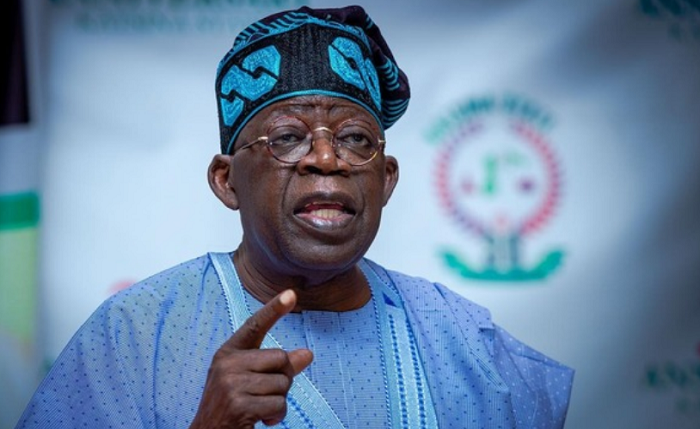
A pro-democracy group, the City Boy Movement (CBM), has commended the growing inclusion of young people and non-traditional actors in Nigeria’s political landscape under the administration of President Bola Ahmed Tinubu, describing the trend as vital to democratic growth and national development.
The Director-General of the movement, Oluwatosin Francis Shoga, made the remarks on Sunday in Abuja while responding to critics following the increasing participation of business leaders and philanthropists, including Obi Cubana, in the political space.
Shoga said the development reflects the spirit of President Tinubu’s Renewed Hope Agenda, which he noted has clearly signalled that youth participation, entrepreneurship, and fresh perspectives are valued in governance.
“The inclusiveness of today’s political environment reflects democratic maturity,” he said. “Nigeria’s future will be built through courage, participation, and unity—not fear of change.”
According to him, Nigeria is at a defining stage in its democratic evolution, where long-standing demands for inclusion, new leadership, and innovative ideas are beginning to materialise.
“For years, Nigerians—especially young people—have complained about political exclusion, recycled leadership, and limited access to decision-making. Today, the increasing participation of young and dynamic Nigerians should be seen not as a threat, but as a renewal of democracy,” Shoga added.
He emphasised that democracy thrives when capable and willing citizens are encouraged to participate, irrespective of their professional or social background.
“Nigeria’s push toward national development requires broad participation from patriotic, competent, and committed individuals. Discriminating against citizens who are willing to contribute would be counterproductive,” he said.
The City Boy Movement also pointed to the surge in political interest triggered by the involvement of business leaders such as Obi Cubana, describing it as a positive development that has reinvigorated youth engagement nationwide.
“Thousands of young Nigerians who previously felt disconnected are now paying attention, asking questions, and taking an interest in governance. That level of engagement is the foundation of a healthy democracy,” the movement said.
CBM further highlighted what it described as contradictions in public discourse, noting that while Nigerians often criticise age-dominated leadership, resistance frequently emerges when younger or younger-minded individuals step forward.
The group reiterated that political participation is a constitutional right and called on Nigerians to embrace openness, inclusivity, and collective responsibility in strengthening the nation’s democracy.