
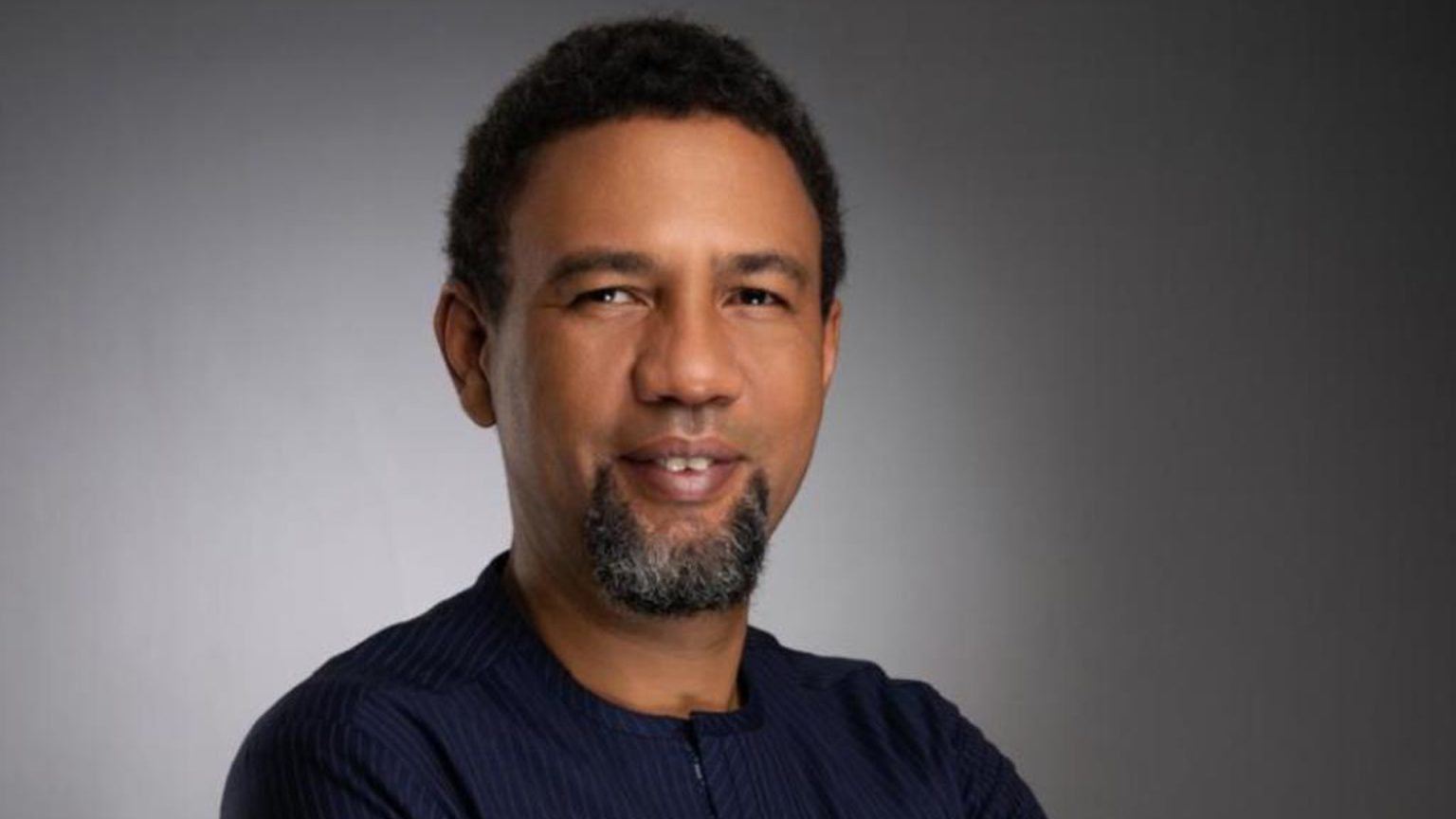
As the Federal Government rolls out a $1 billion programme to lift millions of Nigerian households out of economic vulnerability, MTN Nigeria Chief Executive Officer Dr Karl Toriola has delivered a clear message: sustainable progress begins with the individual.
Toriola urged Nigerians, especially young people, to take deliberate ownership of their career growth by continuously developing new skills and investing in themselves. He spoke against the backdrop of the launch of the Household Prosperity and Empowerment Social Protection Project (HOPE-SP), unveiled at the Banquet Hall of the State House in Abuja under the theme “From Palliatives to Pathways.”
The initiative marks a deliberate shift from short-term relief to structured support designed to build long-term household resilience and economic independence. First Lady Senator Oluremi Tinubu said HOPE-SP would combine immediate stabilisation measures with interventions that help beneficiaries move toward self-reliance.
Business leaders, however, insist that government programmes alone will not deliver lasting prosperity. They argue that Nigerians must equip themselves with the skills and entrepreneurial capacity needed to seize emerging opportunities.
Speaking at the Redefinition Conference, Toriola put the responsibility squarely on the individual. “Your career, your future, your life is your responsibility and your responsibility only,” he said. Drawing from his own experience, the MTN boss highlighted the value of self-education in areas such as finance and risk management. “If you want to develop yourself, you have to learn skills that don’t come naturally to you,” he added.
The call comes at a time when Nigeria faces significant human capital challenges. A World Bank report estimates that deficits in health, education and workforce skills could cost the country up to 111 per cent of future workforce productivity. Nigeria’s education score on the World Bank’s Human Capital Index Plus stands at 64, underscoring the urgency of turning the nation’s large youthful population into a productive economic force.
Other prominent business voices have echoed similar themes. Heirs Holdings Chairman Tony Elumelu has long argued that entrepreneurship is the most powerful engine for creating opportunity. “Only entrepreneurship can create opportunity where none seemingly exists,” he has stated through the Tony Elumelu Foundation, describing young entrepreneurs as “the lifeblood of Africa’s rise.”
Industrialist Aliko Dangote has likewise stressed education and opportunity over handouts. During the rollout of his foundation’s N1 trillion education initiative, Dangote said: “Our young people are not asking for handouts. They are asking for opportunities. They are asking for a chance to learn, to grow, to compete and to succeed.” He described education as an economic imperative capable of reducing inequality and producing future contributors to national development.
Together, the positions of Toriola, Elumelu and Dangote highlight a growing consensus: social protection must be paired with investments in skills, education and entrepreneurship if households are to become economically resilient.
For Toriola, the starting point remains personal. In an economy increasingly shaped by technology, artificial intelligence and shifting workplace demands, those who commit to continuous learning will be best positioned to adapt, compete and thrive.