

As the All Progressives Congress (APC) senatorial primaries approach in Delta State, distinct political strategies are emerging among aspirants, exposing growing debates around inclusion, consultation, and internal party democracy.
In Delta North, the immediate past governor and senatorial aspirant, Senator Dr. Ifeanyi Okowa, is reportedly engaging in extensive consultations with party leaders and key stakeholders. His approach, according to political observers, reflects an emphasis on consensus-building and grassroots acceptance, which many believe remains critical in a highly competitive primary environment.
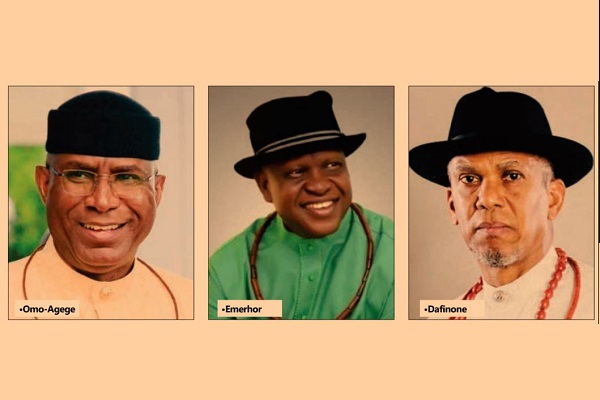
However, the political atmosphere in Delta Central appears more tense and divided. Some stakeholders within the APC have raised concerns over what they describe as limited consultation by leading aspirants such as Senator Ovie Omo-Agege and Olorogun O’tega Emerhor. Critics argue that rather than broad engagement, there is a perception among certain party members that influence from Abuja could play a decisive role in determining the eventual flag bearer.
In particular, concerns have been expressed by some party stakeholders who allege that Omo-Agege’s camp has not fully integrated all segments of the party structure in its consultations. There are also claims—denied by supporters—that internal leadership lists and recognitions within his political network differ from officially recognised party congress outcomes at ward, local government, and state levels.
Supporters of this view believe such perceptions, if left unaddressed, could deepen internal divisions within the Delta Central APC and weaken cohesion ahead of future elections. They also caution that alienation of long-standing party members and defectors from other political parties who contributed to APC’s growth in the state could affect party unity.
Olorogun O’tega Emerhor, another prominent aspirant, has also faced scrutiny from some quarters, with critics questioning his grassroots mobilisation strength. While supporters highlight his political experience and negotiation skills, opponents argue that sustained grassroots engagement will be crucial in securing broad-based support during the primaries.
Meanwhile, in other parts of Delta State, particularly Delta South, aspirants are intensifying grassroots outreach efforts, engaging delegates and party leaders across wards in a bid to strengthen their chances ahead of the primaries.
In Delta Central, Senator Ede Dafinone is being noted by observers as one of the aspirants maintaining consistent engagement with diverse party blocs. His consultations reportedly cut across different stakeholder groups, with emphasis on inclusivity and structured dialogue within the party.
The unfolding political dynamics have sparked broader conversations within the APC about fairness, internal democracy, and the role of consensus in candidate selection. Stakeholders are divided on whether the party should prioritise wide consultations and grassroots legitimacy or allow stronger central influence in determining outcomes.
There are also concerns among some party members that unresolved tensions could affect cohesion ahead of future elections if not carefully managed. Analysts warn that internal disagreements, if escalated, may pose challenges to party unity in Delta State.
As the primaries draw closer, attention remains fixed on how aspirants will navigate consultations, manage alliances, and secure delegate support. For many stakeholders, the expectation is clear: inclusivity, transparency, and respect for party structures will be key in shaping both the outcome of the primaries and the future direction of the APC in Delta State.