
A quiet but significant transformation is unfolding across classrooms and primary health centres in Lagos, as the state deepens reforms aimed at improving public service delivery.
At the centre of this shift is the Human Capital Opportunities for Prosperity and Equity–Governance (HOPE-GOV) programme, a $500 million initiative being implemented by the Lagos State Government in collaboration with the World Bank and First City Monument Bank (FCMB).
Supported by the Federal Government and active across all 36 states and the Federal Capital Territory, the programme is designed to strengthen education and primary healthcare systems by prioritising results over routine spending.
Unlike traditional funding models, HOPE-GOV ties disbursements to measurable and verified progress, marking a shift toward performance-driven governance.
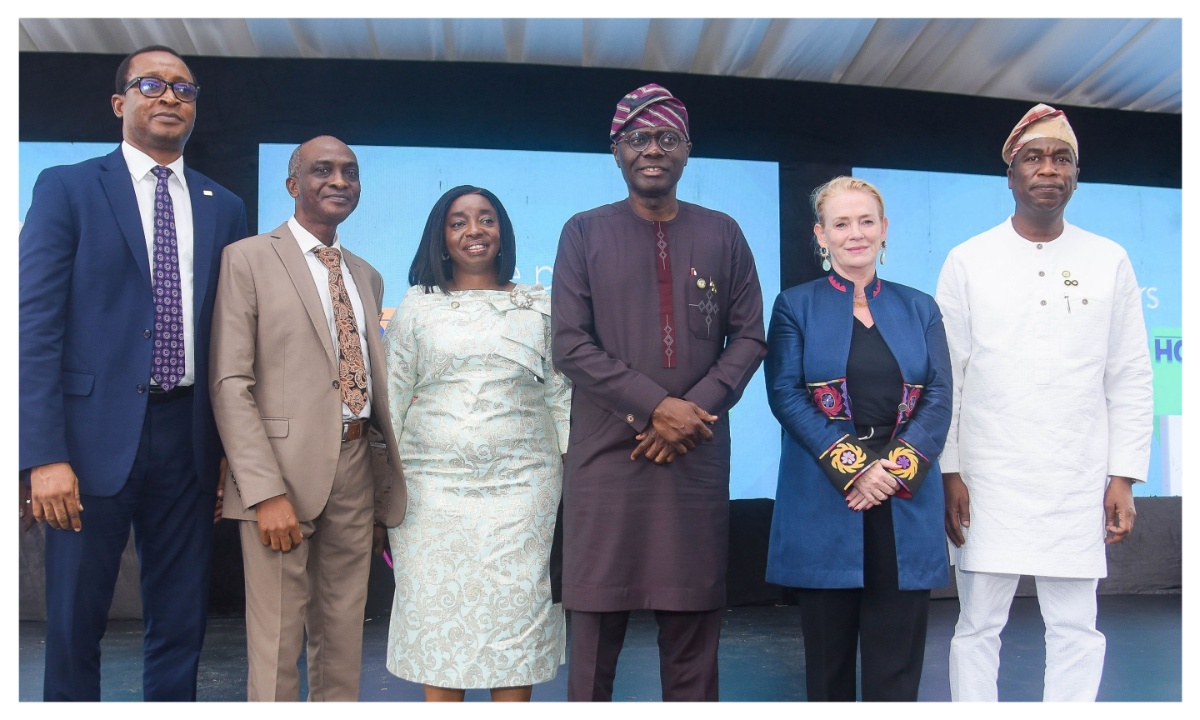
Speaking at a public presentation on Lagos’ implementation progress, Governor Babajide Sanwo-Olu said the reforms are already yielding early improvements in service delivery.
According to him, the state is moving away from input-based budgeting to a model that emphasises outcomes, ensuring that investments translate into tangible benefits for residents.
“For us in Lagos, this is about people,” the governor said, noting that the reforms aim to guarantee access to quality learning materials for students and improved care for patients at primary health centres, while promoting transparency in the use of public resources.
Key to the programme are structural changes that may not be immediately visible but are critical to long-term impact. These include more efficient procurement systems, accountability frameworks, and funding mechanisms that reward performance.
Akin Onimole, Senior Procurement Specialist at the World Bank, said the initiative is tackling longstanding gaps in service delivery by strengthening institutional and procurement processes. He added that Lagos has demonstrated strong commitment to implementing these reforms effectively.
FCMB, which plays a role in managing fund flows for the programme, says its involvement reflects a broader goal of expanding economic opportunity through improved access to essential services.
“We are working with our partners to open up more opportunities for children and communities,” said FCMB Managing Director and CEO, Yemisi Edun. “By supporting education and primary healthcare, we are helping to build a system where more people can thrive.”
Since its rollout in 2025, HOPE-GOV has brought together government and private sector expertise to enhance human capital development across Nigeria.
While the full impact of the programme will emerge over time, stakeholders say the direction is clear—towards stronger institutions, greater accountability, and public services that deliver consistent and measurable value.