
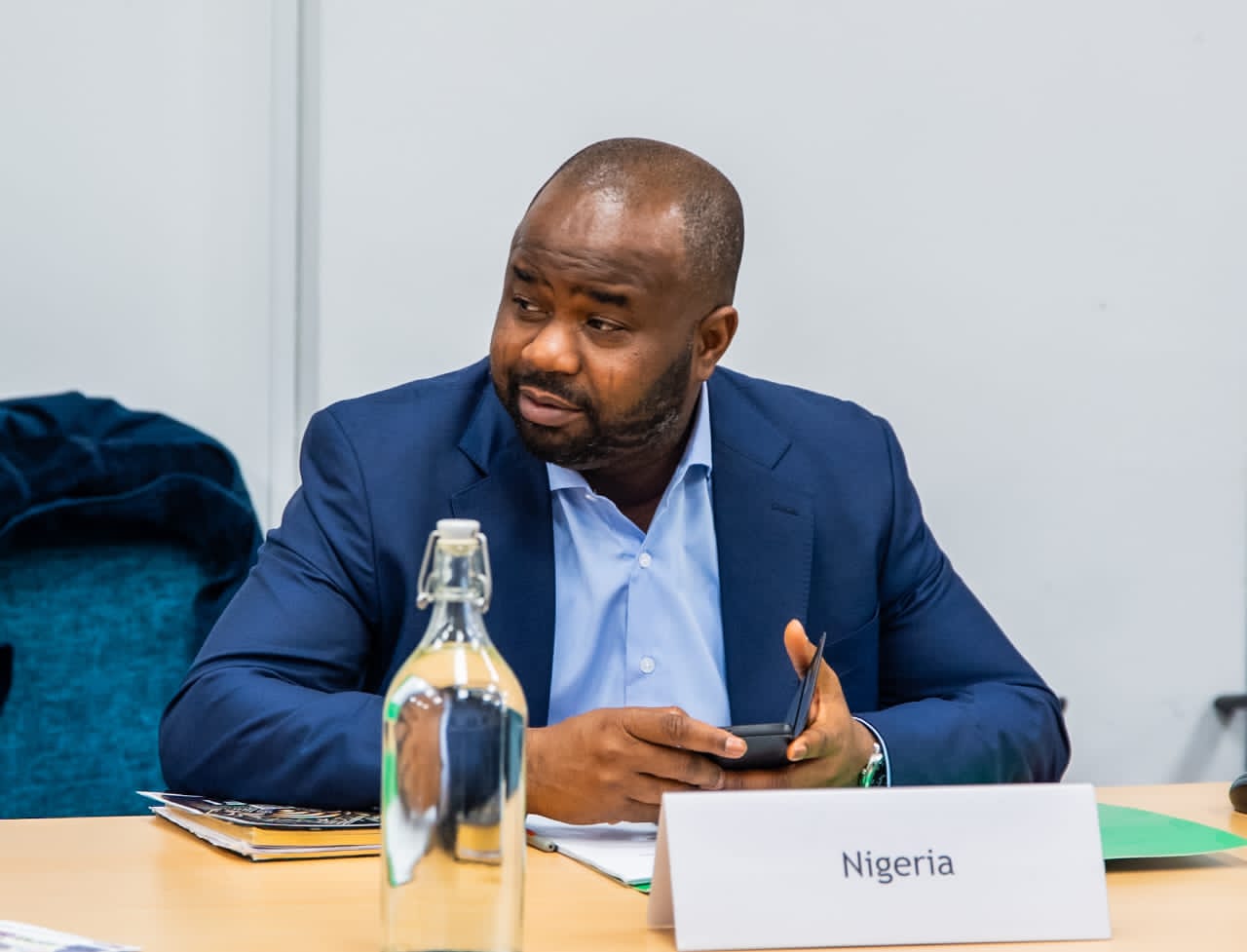
In a high-stakes defense of Nigeria’s new fiscal landscape, the Executive Chairman of the Nigeria Revenue Service (NRS), Zacch Adedeji, has dismissed the mounting criticism against the 2026 tax reforms as politically motivated misinformation.
Speaking in a comprehensive interview with Arise TV on Sunday, January 4, 2026, Adedeji dropped a significant bombshell for low-income earners. He revealed that the new tax bill was specifically engineered to shield the vulnerable, stating that over 95% of Nigeria’s poor are now completely exempt from the tax net.
“We have removed VAT on all essential food items and transportation,” Adedeji explained. “When you look at the net benefit, the poor are the most positively affected by this reform.”
Addressing widespread anxiety regarding government surveillance of private finances, the NRS boss offered a firm guarantee: the tax man is not watching your bank transfers.
“No tax authority, whether state or federal, will pry into your bank account,” he clarified. “Concerns about transaction narrations and additional charges are pure misinformation. We do not monitor personal transfers beyond what the law strictly requires.”
While many Nigerians felt the reforms arrived abruptly on New Year’s Day, Adedeji reminded the public that the laws were passed by the National Assembly in June 2025.
“The law has been in effect since June. What started on January 1 was simply the implementation of rates after a six-month adjustment period. This is standard practice,” he noted.
“The law has been in effect since June. What started on January 1 was simply the implementation of rates after a six-month adjustment period. This is standard practice,” he noted.
With the 2027 general elections already looming in political discussions, Adedeji hit back at claims that the NRS is being used as a weapon against the opposition.
“The Nigeria Revenue Service is for Nigeria, not a ‘Political Revenue Service.’ There is no way we would target opponents. We are patriotic civil servants working for the prosperity of the country,” he stated.
“The Nigeria Revenue Service is for Nigeria, not a ‘Political Revenue Service.’ There is no way we would target opponents. We are patriotic civil servants working for the prosperity of the country,” he stated.
A Generational Opportunity
Urging Nigerians to look beyond the immediate “teething problems” of the new system, Adedeji described the reform as a “one-generation opportunity” to set a fiscal standard that ensures sustainable prosperity. He emphasized that the goal is to streamline revenue—moving from a system of enforcement to one of civic responsibility and transparency.
Urging Nigerians to look beyond the immediate “teething problems” of the new system, Adedeji described the reform as a “one-generation opportunity” to set a fiscal standard that ensures sustainable prosperity. He emphasized that the goal is to streamline revenue—moving from a system of enforcement to one of civic responsibility and transparency.