
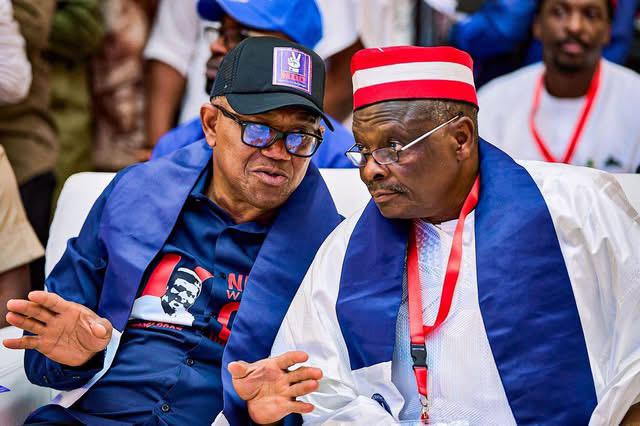
Peter Obi’s comments on the Indigenous People of Biafra (IPOB) have once again come under public scrutiny, reigniting discussions about national security, political accountability, and the responsibilities of those seeking public office.
During the buildup to the 2023 presidential election, Peter Obi was widely reported to have stated that IPOB members were “not terrorists,” arguing that many of those associated with the group were ordinary citizens he interacted with regularly in Onitsha, Anambra State.
While some interpreted the remarks as an attempt to distinguish between peaceful supporters and individuals allegedly involved in violent activities, the statement continues to generate debate years later.
At the heart of the discussion is the question of whether personal experience should play a significant role in assessing organizations that have become subjects of national security concerns. Obi’s position appeared to draw largely from his personal interactions with individuals he identified as IPOB members, a stance that some observers argue differs from the methods typically used by security agencies and policymakers, which rely on intelligence reports, investigations, and judicial determinations.
The remarks have also prompted questions about consistency in public policy. Analysts argue that if personal familiarity is used to challenge allegations against one group, similar standards should apply across all regions and organizations facing accusations of violence or security-related offenses.
The controversy further highlights the broader challenge of distinguishing between legitimate political agitation and actions that may threaten public safety. Political movements around the world often consist of both peaceful supporters and more radical elements, making it crucial for leaders to clearly define where they stand on issues of violence and public order.
Years after the statement was made, questions remain about whether Obi’s views have evolved in response to subsequent developments and whether he has publicly clarified his position. Supporters maintain that he was advocating against the blanket labeling of individuals, while critics contend that public figures must exercise caution when addressing groups linked to security controversies.
Observers note that revisiting the issue is less about partisan politics and more about evaluating the judgment, consistency, and accountability expected from national leaders. As Nigeria continues to confront complex security challenges, many believe clarity from political actors remains essential.
The renewed focus on Obi’s comments underscores a broader conversation about leadership, public responsibility, and the standards Nigerians expect from those seeking to govern the country.