
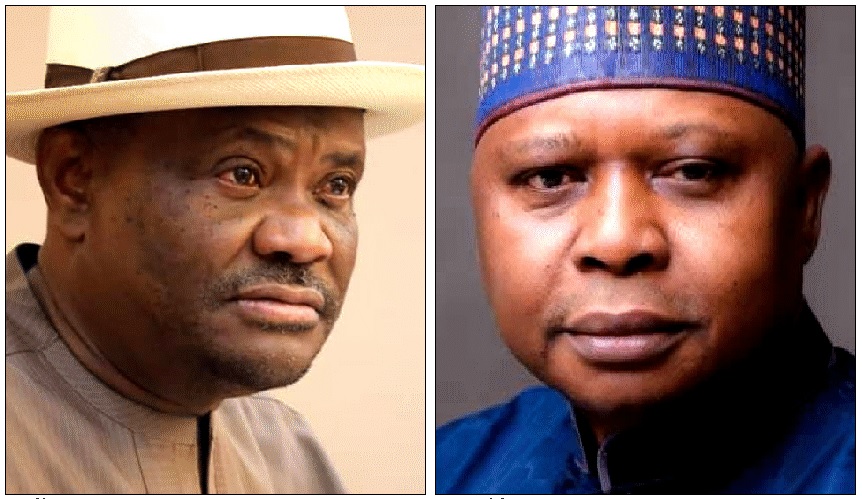
With the Independent National Electoral Commission (INEC) unveiling the timetable for the 2027 general elections, Nigeria’s main opposition, the Peoples Democratic Party, is grappling with an internal crisis that threatens its very survival.
Once Nigeria’s dominant political force, the PDP has been embroiled in a prolonged power struggle among rival factions, raising serious concerns about its readiness for the المقبلة elections.
The crisis, which intensified after the party’s 2023 presidential primaries that produced Atiku Abubakar as candidate, has deepened divisions within the party. At the centre of the turmoil is the Minister of the Federal Capital Territory, Nyesom Wike, whose influence over party structures continues to generate controversy.
Despite serving in an APC-led government, Wike has maintained a firm grip on a faction of the PDP, with critics accusing him of driving away key figures, including Atiku and former Senate President David Mark.
The situation has worsened with defections and dwindling support, leaving only a handful of governors such as Bala Mohammed and Seyi Makinde firmly in the party.
Efforts to salvage the party are ongoing. Former Kaduna State Governor Ahmed Makarfi and ex-Jigawa Governor Sule Lamido have initiated reconciliation talks aimed at reuniting aggrieved members ahead of 2027.
Makarfi stressed the urgency of unity, urging party stakeholders to prioritise collective interests over personal grievances. “This is the time for sober reflection and reconciliation,” he said, noting that internal disputes must give way to dialogue.
Lamido echoed similar sentiments, warning that Nigeria’s political and economic challenges require a strong opposition. He confirmed that party leaders are exploring ways to resolve litigations and rebuild cohesion.
However, peace efforts face stiff resistance. The faction aligned with Wike insists on proceeding with its planned national convention, dismissing calls for postponement despite ongoing reconciliation talks and multiple court cases.
Meanwhile, a rival bloc led by Tanimu Turaki has opted for a conciliatory approach, expressing willingness to withdraw legal battles in favour of peace.
“We are ready to make sacrifices to ensure the survival of the PDP,” Turaki said, adding that reconciliation remains the only viable path forward.
The crisis has also drawn concern from party elders. Former Senate President Bukola Saraki warned that proceeding with a contentious national convention could further destabilise the party, advocating instead for a caretaker committee to restore order.
Similarly, the Board of Trustees, led by Adolphus Wabara, has been under pressure to mediate, although internal disagreements persist over the way forward.
Adding to the turmoil, former Bayelsa Governor Seriake Dickson accused party leaders of mismanagement and poor decision-making, blaming governors for deepening divisions and treating the PDP as personal property.
Legal battles have further complicated matters. A Federal High Court ruling in Ibadan invalidating a factional convention and directing INEC to recognise a caretaker structure has opened a new chapter in the crisis, even as appeals continue.
Political observers warn that unless urgent reconciliation is achieved, the PDP risks missing key electoral processes, as already seen in Ekiti and possibly Osun governorship elections.
As 2027 draws closer, the question remains: can the PDP overcome its internal strife and present a united front, or will its crisis hand a significant advantage to the ruling APC?