
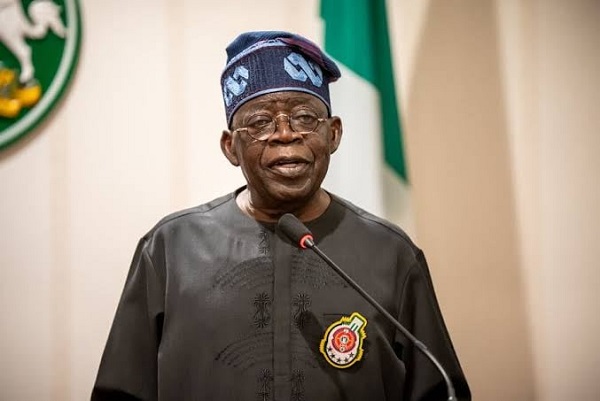
Nigeria has taken a bold step back into global prominence following President Bola Ahmed Tinubu’s high-level two-day official visit to the United Kingdom, marked by strategic agreements, diplomatic engagements, and significant investment commitments.
The visit, which underscored Nigeria’s renewed global ambition, saw Tinubu and First Lady Oluremi Tinubu present a confident and statesmanlike image that drew international attention and reinforced the country’s evolving reputation.
A major highlight unfolded at Windsor Castle, where King Charles III and Queen Camilla received the Nigerian leader with full ceremonial honours, including a guard of honour and a 42-gun salute. The historic reception made Tinubu the first Nigerian president to be hosted at the royal residence, signalling deepening diplomatic ties.
Beyond the pageantry, the visit produced concrete outcomes. At 10 Downing Street, Tinubu held bilateral talks with Prime Minister Keir Starmer, focusing on trade expansion, security cooperation, and economic development.
A key breakthrough was the £746 million financing deal to modernise Lagos’ Apapa and Tin Can Island ports—critical infrastructure responsible for the bulk of Nigeria’s maritime trade. The upgrade is expected to boost efficiency, ease congestion, and position Nigeria as a stronger regional trade hub.
Trade relations also received a lift, with both countries seeking to expand on an existing £8 billion annual trade volume. Through the UK’s Developing Countries Trading Scheme, thousands of Nigerian products—from cocoa to textiles—will gain easier access to British markets, supporting small businesses and non-oil exports.
Security collaboration featured prominently, with agreements to enhance military training, intelligence sharing, and logistical support in Nigeria’s fight against terrorism and banditry.
In agriculture, a £500 million dairy initiative is set to transform local production through large-scale pasture development, modern processing systems, and increased livestock capacity—boosting food security and employment.
Education partnerships were also strengthened, notably with Coventry University, which plans to establish a campus in Lagos to expand access to global-standard education while reducing outbound student migration.
Private sector collaboration added another layer of impact, as Access Bank partnered with King’s Trust International to empower young Africans through skills development and entrepreneurship programmes.
Nigeria’s creative economy gained attention during engagements at Lancaster House, where stakeholders explored new opportunities in film, music, publishing, and digital innovation to boost global competitiveness.
A bilateral migration agreement was also signed, establishing a structured and humane framework for managing migration between both countries.
At an investment forum in London, Nigeria showcased opportunities across energy, transport, and housing sectors, reinforcing its appeal as a destination for global capital. Additional discussions at the House of Lords focused on attracting foreign direct investment into sub-national projects.
Tinubu also highlighted Nigeria’s cultural influence with a visit to Tate Modern, where the “Nigeria Modernism” exhibition showcased the country’s artistic heritage and soft power.
Overall, the visit has been widely regarded as a diplomatic success, delivering tangible economic gains while strengthening Nigeria’s global partnerships. It signals a renewed confidence in Nigeria’s direction and positions the country as an active and influential player on the world stage.