
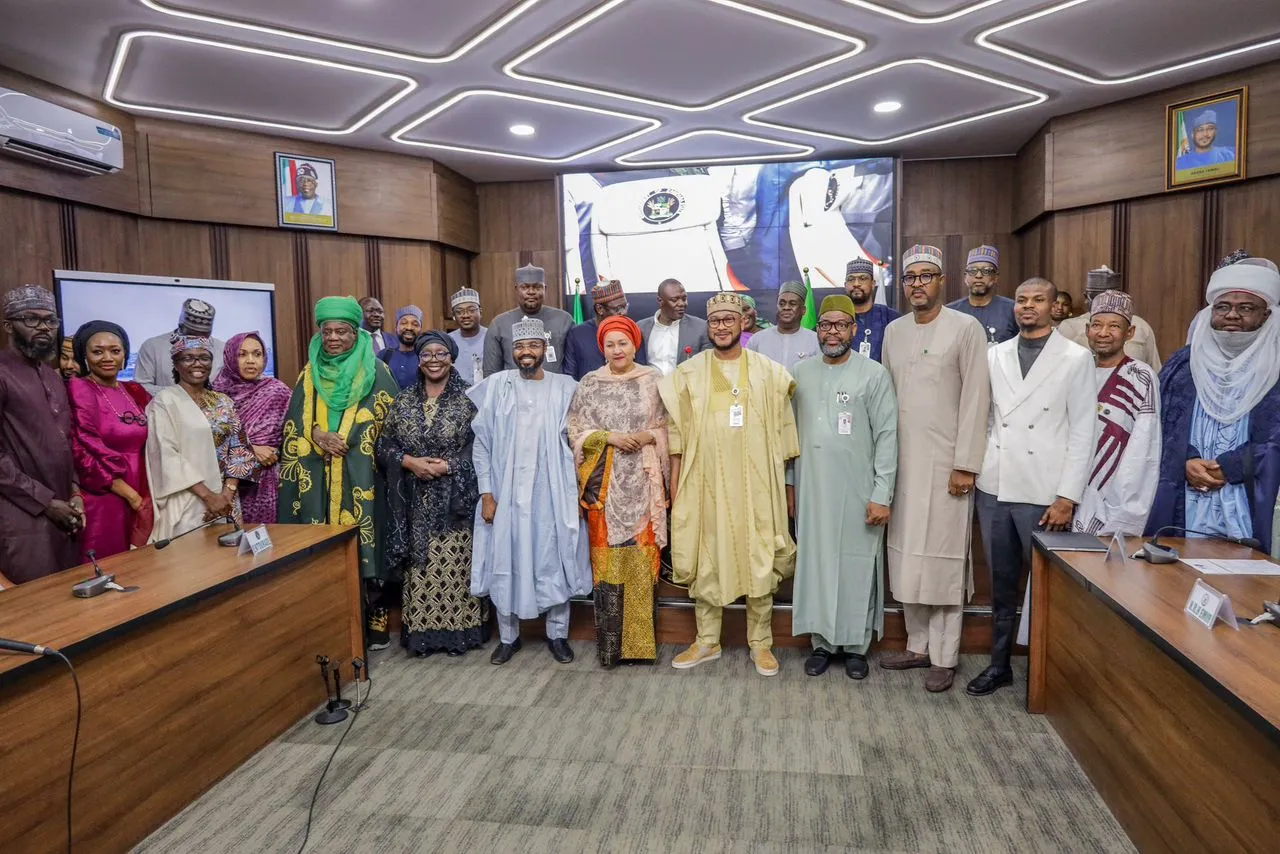
In a major diplomatic boost for Zamfara State, United Nations Deputy Secretary-General Amina Mohammed on Thursday paid a high-level visit to Governor Dauda Lawal in Gusau, where she endorsed the state’s ambitious post-crisis recovery strategy.
The visit—the most senior UN engagement in the North-West state in nearly a decade—featured closed-door discussions at the Government House, an inspection of key infrastructure projects, and a joint media briefing.
Speaking after the meeting, Mohammed praised the Lawal administration for making what she described as “tangible progress” in repositioning Zamfara. She noted improvements not only in road accessibility but also in governance reforms aimed at attracting investors and development partners. Key initiatives such as revenue digitization and civil service strengthening, she said, signal a shift toward stability, economic growth, and sustainable development.
Her remarks carry weight given Zamfara’s recent past, where widespread banditry, kidnappings, and poor infrastructure had rendered large parts of the state inaccessible to international agencies until recently.
At the heart of the engagement was the unveiling of a 97-page roadmap—the Zamfara State Development Plan 2024–2028, branded “Zamfara Rising.” Governor Lawal described the document as both a policy framework and a social contract with citizens, built on four pillars: security and rule of law, economic revival through agriculture and mining reforms, human capital development, and infrastructure expansion with a focus on rural connectivity and digital access.
Lawal reaffirmed his administration’s openness to global partnerships, positioning the plan as an invitation to investors and development institutions. He stressed that Zamfara is transitioning “from survival mode to development mode” after years of economic hardship and governance challenges.
The governor, who assumed office in May 2023, inherited a state previously ranked among Nigeria’s poorest by global development indices, amid criticisms of past leadership over mismanagement and ineffective security strategies.
While security concerns persist—particularly in rural areas—the UN visit has sparked cautious optimism. Mohammed disclosed that the UN will deploy a technical team to Gusau within 30 days to harmonize the state’s plan with its Sustainable Development Cooperation Framework for Nigeria.
She also hinted at a possible high-level donors’ conference in 2026, which could unlock funding from major institutions such as the World Bank, African Development Bank, and the European Union—potentially marking a turning point in Zamfara’s path to recovery.